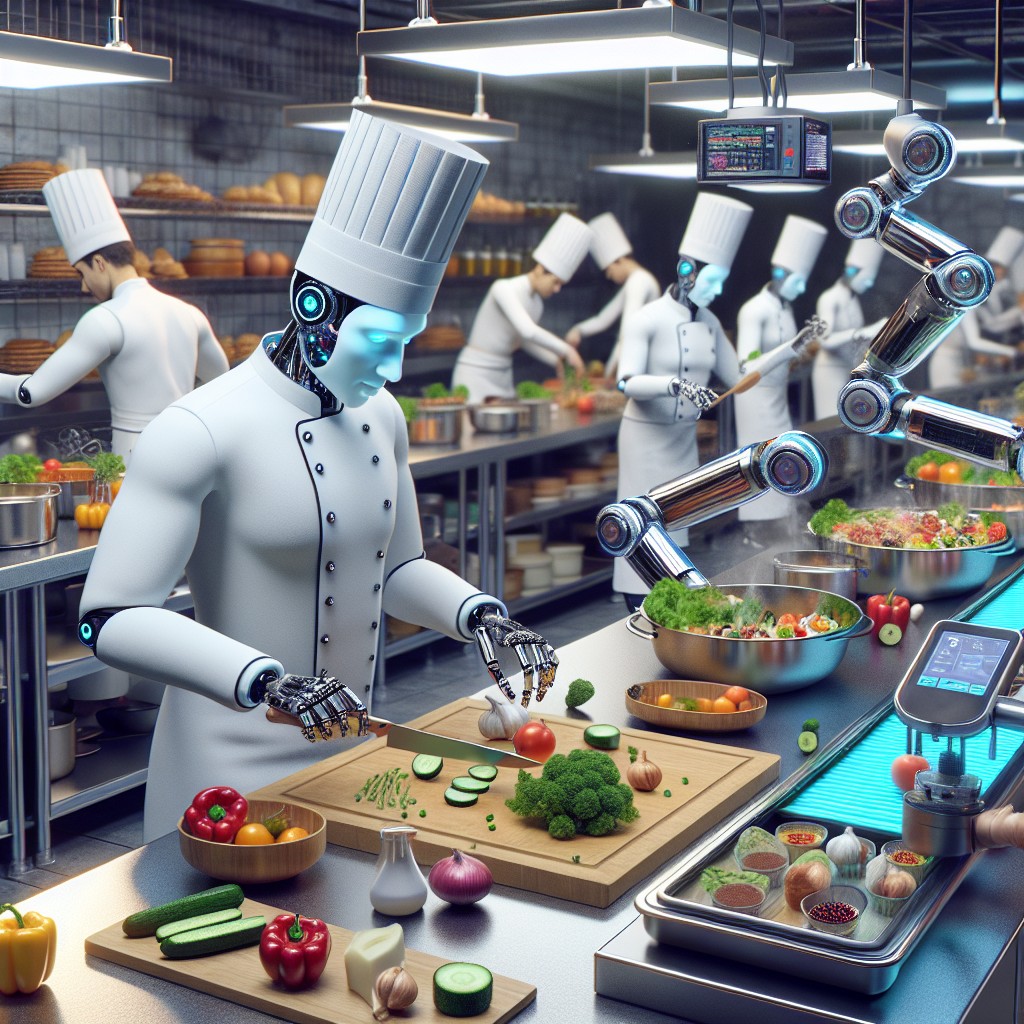
The adoption of restaurant robotics has accelerated in recent years as the foodservice industry seeks innovative solutions for efficiency and safety. This article examines the key aspects of implementing robotic technology in restaurants, highlighting the improvements in safety it brings as well as the cost factors involved in its rollout.
Enhancing Food Safety through Automation
One of the primary drivers behind the increasing use of restaurant robotics is the enhancement of food safety standards. Robots can consistently follow hygiene protocols, reducing human error related to contamination and food handling. Automated systems minimize direct contact between staff and food items, which is especially critical in maintaining sanitation standards and preventing the spread of foodborne illnesses.
Reducing Workplace Injuries
Workplace safety is another significant benefit of integrating robotics in the restaurant environment. Tasks that traditionally expose workers to risks—such as repetitive movements, heavy lifting, or hot surface handling—can be delegated to robots. This reduces the incidence of injuries like burns, cuts, and musculoskeletal disorders, thereby creating a safer working environment and decreasing workers’ compensation costs for restaurant operators.
The Financial Implications of Robot Deployment
Though the safety benefits are clear, the financial investment required for rolling out restaurant robotics can be substantial. Initial costs include the purchase of robotic units, integration with existing systems, and ongoing maintenance. Additional expenditures may arise from staff training to operate and collaborate with robotic systems. These upfront and operational costs can be a barrier, particularly for small and medium-sized restaurants, affecting decisions about adoption timelines.
Impact on Operational Efficiency and Labor Costs
While the deployment of restaurant robotics requires significant capital, many industry experts note potential long-term savings through increased operational efficiency. Robots can work continuously without fatigue, leading to faster food preparation and consistent quality. Over time, the reduction in labor hours and improved efficiency may offset the initial investment, although this balance varies based on the type of restaurant and the complexity of services offered.
Challenges in Integration and Customer Experience
Beyond cost and safety, restaurants face challenges in integrating robotics seamlessly into their operations without negatively impacting the customer experience. While some patrons appreciate novelty and the perception of advanced technology, others may find robotic interaction impersonal. Ensuring that robots complement human staff, rather than replacing crucial service roles, remains a key consideration when planning rollout strategies.
In summary, restaurant robotics present tangible safety improvements by reducing contamination risks and workplace injuries. However, these benefits come with notable financial costs and integration challenges. As technology continues to evolve, industry stakeholders are expected to find more cost-effective solutions that balance safety, efficiency, and customer satisfaction, potentially leading to wider adoption in the coming years.
Frequently Asked Questions about restaurant robotics
What safety benefits does restaurant robotics offer?
Restaurant robotics improve safety by minimizing human contact with food, reducing contamination risks, and decreasing workplace injuries related to repetitive or hazardous tasks.
How do restaurant robotics affect operational costs?
While restaurant robotics involve significant upfront and maintenance expenses, they may reduce labor costs and increase efficiency over time, balancing the overall financial impact.
Are there challenges associated with integrating restaurant robotics?
Yes, integration challenges include the initial investment, staff training, and ensuring that robots complement rather than detract from customer service quality.
Do restaurant robotics replace human staff entirely?
No, most restaurant robotics are designed to assist and enhance human roles, improving safety and efficiency while preserving essential human interactions with customers.
Where can I find authoritative information about restaurant robotics?
Reliable information on restaurant robotics can be found through international organizations such as the World Health Organization and industry publications like Forbes, which offer insights on safety and technology trends.