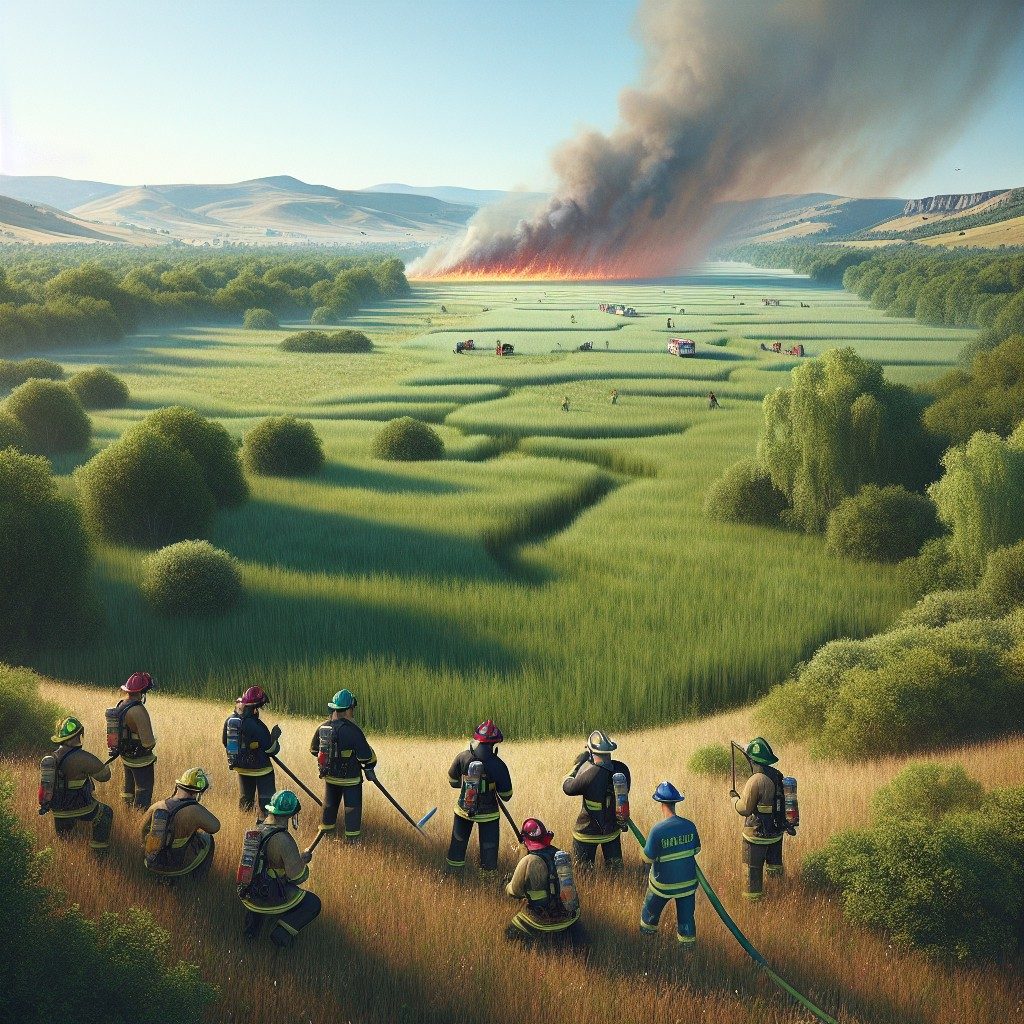
Wildfire risk remains a crucial concern for Romanian homeowners and insurers, especially as climate patterns shift and dry seasons intensify fire hazards. Understanding the factors that influence wildfire occurrence and how to mitigate damage is increasingly important as Romania faces more frequent and severe fire incidents.
Seasonal trends influencing wildfire risk in Romania
Romania experiences its highest wildfire risk during the dry summer months when vegetation becomes highly flammable. Prolonged periods without significant rainfall combined with elevated temperatures create ideal conditions for wildfires to ignite and spread rapidly. Typically, July and August mark the peak of wildfire incidents, prompting heightened vigilance from homeowners and local authorities. Regions with extensive forest coverage, especially in southern and central Romania, are more susceptible due to dense underbrush and dry leaf litter that can easily catch fire.
Homeowners’ strategies to reduce wildfire risk
For Romanian homeowners, wildfire risk necessitates proactive measures to protect property and lives. This includes maintaining clear zones around houses by removing dry leaves, trimming trees and shrubs, and ensuring that roofs and gutters are free of combustible materials. Some homeowners invest in fire-resistant building materials, such as metal roofing and tempered glass windows, which can slow the spread of fire. Additionally, many residents follow local fire prevention regulations, which may restrict outdoor burning during high-risk periods to reduce human-caused wildfire incidents.
Insurance industry’s approach to wildfire risk
The insurance sector in Romania is increasingly attentive to wildfire risk as the frequency and severity of fires grow. Insurers are refining risk assessments by incorporating climate data, historical fire records, and vegetation maps to evaluate properties. Premiums for homes in high-risk areas may reflect the elevated wildfire risk, while some insurers offer discounts for properties that implement fire mitigation measures. In certain cases, wildfire risk has led to stricter underwriting guidelines, including mandatory inspections and the requirement for safety upgrades. This trend aligns with international insurance markets where wildfire risk is a significant underwriting consideration.
Government and community involvement in wildfire prevention
Local and national authorities in Romania play a critical role in wildfire risk management. Fire prevention campaigns, early warning systems, and investments in firefighting infrastructure aim to reduce potential losses. Community engagement programs encourage residents to participate in forest cleaning and report signs of fire promptly. In collaboration with environmental agencies, the government also monitors wildfire risk through satellite data and ground observations to forecast and respond to emerging threats efficiently.
Impact of climate change on future wildfire risk in Romania
Climate change is projected to increase the wildfire risk in Romania by contributing to longer droughts, higher temperatures, and altered precipitation patterns. Scientific studies indicate that these factors can extend the wildfire season and increase the likelihood of extreme fire events. For homeowners and insurers, this underscores the need for adaptive strategies to manage wildfire risk effectively. Ongoing research and monitoring are essential to update risk models and inform policies that address this evolving challenge.
Wildfire risk in Romania is a dynamic and complex issue requiring cooperation among homeowners, insurers, policymakers, and environmental experts. As conditions evolve with changing climate factors, preparedness and preventive measures will be key to mitigating wildfire impacts. Increased awareness and adaptation are likely to strengthen resilience against wildfire hazards in the Romanian landscape.
Frequently Asked Questions about wildfire risk
What factors contribute most to wildfire risk in Romania?
The wildfire risk in Romania primarily arises from dry weather conditions, high temperatures during summer, and accumulation of combustible vegetation, particularly in forested areas.
How can homeowners reduce their wildfire risk?
Homeowners can lower wildfire risk by clearing dry debris around their property, maintaining vegetation, using fire-resistant building materials, and complying with local fire safety regulations.
How does wildfire risk affect home insurance policies in Romania?
Wildfire risk influences insurance premiums and policy terms, with higher risks potentially increasing costs and requiring safety measures as conditions for coverage.
What role do government agencies play in managing wildfire risk?
Government agencies manage wildfire risk through prevention campaigns, early warning systems, firefighting support, and by monitoring environmental conditions to respond proactively.
Is the wildfire risk in Romania expected to change in the future?
Yes, climate change is expected to increase the wildfire risk in Romania by creating hotter, drier conditions that prolong fire seasons and intensify fire events. For more detailed and up-to-date information on wildfire risks, authorities like the National Geographic and the Federal Emergency Management Agency (FEMA) provide extensive resources.